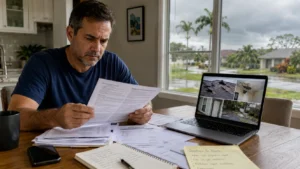

Having an insurance claim closed without payment can leave you facing expensive property repairs, financial uncertainty, and unanswered questions. After paying homeowners insurance premiums for years, discovering that your insurance company will not issue a payment can be incredibly frustrating.
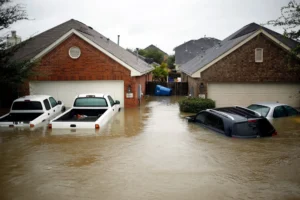
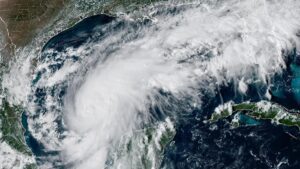
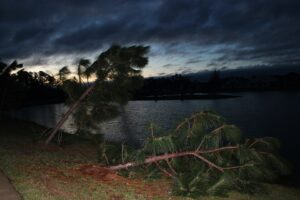
For homeowners in Pensacola, Milton, Navarre, Escambia County, and Santa Rosa County, property damage caused by hurricanes, strong winds, severe thunderstorms, and heavy rainfall is an ongoing concern. Even when damage appears significant, an insurance company may close a claim because of policy exclusions, deductible requirements, insufficient documentation, or disagreements over repair costs.
However, a closed insurance claim does not necessarily mean you have exhausted your options.
Understanding why your claim was closed, reviewing your insurance policy, and obtaining a professional damage assessment can help you determine whether additional compensation may be available.
What should you do if your insurance claim is closed without payment?
Request a written explanation from your insurer, review your policy and deductible, document all property damage, and obtain a professional repair estimate. If the evidence supports additional covered damage, you may be able to dispute the decision, reopen your claim, or submit a supplemental claim within Florida’s applicable deadlines.
What Does an Insurance Claim Closed Without Payment Mean?
An insurance claim closed without payment means your insurance company has concluded its current claim-handling process without issuing compensation for the reported loss.
Although homeowners often assume this means their claim has been denied, these terms do not always mean the same thing.
| Claim status | What it means |
|---|---|
| Closed without payment | The insurer has closed the claim without issuing compensation. |
| Denied claim | The insurer has determined that the reported loss is not covered, in whole or in part. |
| Below-deductible claim | The insurer has assessed covered damage at an amount that does not exceed the applicable deductible. |
| Administrative closure | The claim may have been closed because of withdrawal, duplication, or another administrative issue. |
Identifying the reason for the closure is essential because it determines which options may be available.
A closed claim is not necessarily a final determination of the full extent or value of your property damage. However, reopening a claim does not automatically establish coverage or guarantee payment.
Why Did My Insurance Company Close My Claim Without Paying?
Panhandle homeowners may encounter several reasons for an insurance claim being closed without payment.
1. Your property damage was assessed below the deductible
Insurance companies may determine that the estimated cost of covered repairs is lower than your applicable deductible.
This can occur following hurricanes and windstorms, particularly when a policy includes a percentage-based hurricane deductible.
An incomplete damage assessment or underestimated repair costs could affect whether your claim exceeds that deductible.
2. The insurance company determined that the damage was excluded
Homeowners insurance policies contain exclusions and limitations that may apply to:
- Gradual deterioration and normal wear and tear.
- Long-term water seepage.
- Neglected maintenance.
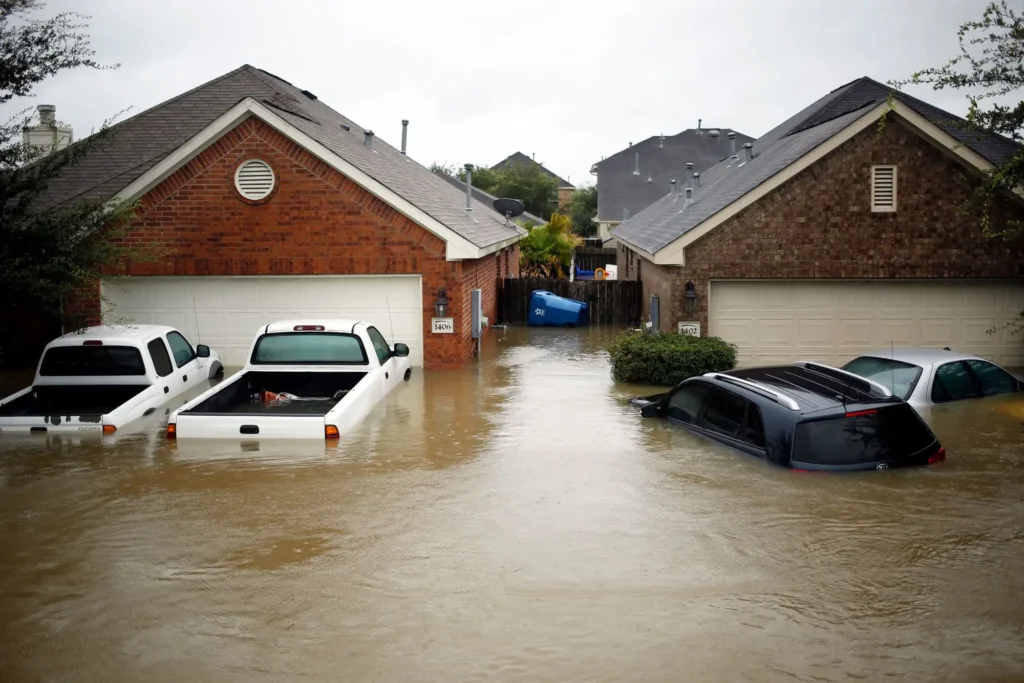
- Flooding and storm surge.
- Certain pre-existing property conditions.
For coastal properties near Pensacola Bay, Navarre Beach, and other waterfront communities, distinguishing wind damage from flood damage can be particularly important.
3. The property inspection missed hidden damage
Not all storm damage is immediately visible.
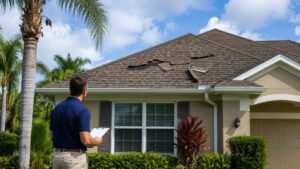
Wind-lifted shingles, damaged roof flashing, concealed moisture, and water intrusion behind walls may require additional inspection to identify.
If these conditions were not included in the original insurance estimate, the assessed loss may not reflect the actual extent of covered damage.
4. Insufficient documentation or supporting evidence
Missing photographs, incomplete repair estimates, unanswered information requests, or inadequate evidence of the cause of damage can complicate an insurance claim.
Providing additional documentation may help address these issues, subject to policy requirements and filing deadlines.
5. Disagreements regarding the cause of property damage
An insurance company may attribute roof damage to age or deterioration, while a qualified inspection identifies evidence consistent with recent wind damage.
Resolving this disagreement requires credible documentation, professional findings, and careful consideration of the insurance policy.
What If Your Home Insurance Claim Is Below the Deductible?
A home insurance claim below the deductible can leave homeowners responsible for substantial repair expenses.
In Florida, hurricane deductibles may be calculated as a percentage of the insured dwelling coverage limit rather than the property’s market value.
Consider this hypothetical example:
| Insurance claim details | Amount |
|---|---|
| Dwelling coverage limit | $300,000 |
| Hurricane deductible | 2% |
| Applicable deductible | $6,000 |
| Initial insurance damage estimate | $4,500 |
| Initial insurance payment | $0 |
| Revised documented covered damage | $18,500 |
| Potential payment after deductible | $12,500 |
This example assumes the hurricane deductible applies, the revised damage amount is covered and accepted, and no other payment adjustments are necessary.
A professional inspection may identify repair costs that were overlooked in the original estimate, including damaged roof decking, interior water damage, flashing, insulation, or necessary material removal.
The important question is not simply whether your damage exceeds the deductible, but whether the insurance estimate accurately accounts for all covered damage.
How to Dispute an Insurance Claim Closed Without Payment in Florida
If you believe your insurance company underestimated your property damage or incorrectly closed your claim, take the following steps.
Step 1: Request a written explanation
Ask your insurance company to provide the reason for the claim closure, the applicable policy provisions, any available detailed damage estimate, and relevant information supporting its decision.
Florida Statute 627.70131 establishes requirements for insurers to provide written explanations supporting claim payment and denial decisions.
Request written clarification if the closure reason remains unclear.
Step 2: Review your homeowners insurance policy
Examine your declarations page, coverage limits, deductibles, exclusions, endorsements, and claim-related responsibilities.
Pay particular attention to provisions that address wind damage, water intrusion, roof coverage, and the method used to calculate covered losses.
Step 3: Document all property damage
Gather dated photographs, videos, repair estimates, emergency mitigation invoices, inspection reports, and previous communications with your insurer.
Homeowners should take reasonable measures to prevent additional damage while preserving evidence whenever safely possible.
Step 4: Obtain a professional damage assessment
A qualified inspection can help identify overlooked damage and differences between the insurer’s estimate and the repairs needed to restore your property.
Detailed, itemized estimates are generally more useful than a single repair price because they help identify specific differences in repair scope and costs.
Step 5: Evaluate your dispute resolution options
Depending on the circumstances, available options may include requesting reconsideration, reopening the claim, submitting a supplemental claim, or participating in Florida’s residential property insurance mediation program.
A licensed public adjuster can assist with damage documentation and claim negotiations. An insurance attorney may be appropriate when the dispute involves complex legal or coverage issues.
Can a Closed Insurance Claim Be Reopened in Florida?
Yes. Panhandle homeowners may be able to reopen an insurance claim when additional costs associated with previously reported damage are identified.
However, reopened claims and supplemental claims have different statutory definitions and notice requirements.
A reopened insurance claim generally concerns further costs associated with damage previously disclosed under a claim that the insurer closed. A supplemental claim generally concerns additional loss or repair costs arising from the same covered event under qualifying circumstances.
Under Florida Statute 627.70132, general notice deadlines are:
| Claim type | General notice deadline |
|---|---|
| Initial property insurance claim | 1 year from the date of loss |
| Reopened insurance claim | 1 year from the date of loss |
| Supplemental insurance claim | 18 months from the date of loss |
Applicable law, policy dates, statutory exceptions, and individual claim circumstances may affect these deadlines.
Do not assume that the deadline begins when your insurance company closes the claim. Act promptly after receiving a closure notice, particularly when the original date of loss is approaching a filing deadline.
How a Public Adjuster Can Help Panhandle Homeowners
A public adjuster is an insurance claims professional who represents the policyholder rather than the insurance company.
For homeowners dealing with a denied, underpaid, or closed property insurance claim, professional assistance can help clarify whether the existing damage assessment accurately reflects the covered loss.
The Homeowner’s Advocate assists property owners with the insurance claim process, including:
- Reviewing existing insurance claim documentation.
- Evaluating property damage and repair estimates.
- Identifying potentially overlooked covered damage.
- Preparing and presenting supporting claim information.
- Assisting with reopened and supplemental claims when appropriate.
- Negotiating with insurance companies on behalf of policyholders.
Local knowledge is especially valuable in Northwest Florida, where coastal weather, tropical storms, strong winds, and wind-driven rain can produce complicated damage patterns.
Whether you are dealing with roof damage in Pensacola, storm-related damage in Milton, or water intrusion in Navarre, an accurate assessment can help you make a more informed decision about your claim.
Common Mistakes Homeowners Make After an Insurance Claim Is Closed
Avoid assuming that a claim closure automatically prevents further review.
Other common mistakes include delaying action until filing deadlines have passed, discarding damaged materials before documenting them, relying exclusively on the original insurance estimate, and signing settlement or release documents without understanding their consequences.
Homeowners should also avoid combining unrelated damage or exaggerating repair costs. A credible insurance dispute must be supported by accurate evidence and the applicable insurance coverage.
A well-documented claim is more useful than an unsupported disagreement with your insurer.
Frequently Asked Questions
Why did insurance close my claim without paying?
Your claim may have been closed because of exclusions, insufficient documentation, administrative reasons, or an assessment that placed covered damage below your deductible. Request a written explanation to identify the specific reason.
Can I reopen a closed homeowners insurance claim in Florida?
Potentially, yes. Additional documented repair costs or other qualifying circumstances may support reopening a claim, provided applicable deadlines, coverage requirements, and policy conditions are satisfied.
What if my contractor’s estimate is higher than my insurance estimate?
Compare both estimates for differences in materials, labor, repair scope, and documented damage. A higher estimate alone does not establish additional coverage, but it may identify issues worth reviewing.
How long does a Florida insurance company have to pay or deny a claim?
Florida Statute 627.70131 generally requires applicable insurers to pay or deny property insurance claims within 60 days after receiving notice. Statutory exceptions may apply.
Can a public adjuster help with a denied homeowners insurance claim?
Yes. A licensed public adjuster can evaluate property damage, review claim documentation, and help determine whether additional evidence supports reconsideration. Legal coverage disputes may also require an attorney.
Can I dispute my insurance claim without hiring an attorney?
Depending on the circumstances, homeowners may request reconsideration, work with a licensed public adjuster, or seek assistance through the Florida Department of Financial Services’ mediation program. Eligibility and appropriate options vary by claim.
Insurance Claim Closed Without Payment? Contact The Homeowner’s Advocate
Receiving a claim closure notice does not mean you should automatically accept an incomplete damage assessment or overlook legitimate repair costs.
The Homeowner’s Advocate helps property owners throughout Pensacola, Milton, Navarre, Escambia County, and Santa Rosa County navigate complex property insurance claims.
Whether your homeowners insurance claim was denied, assessed below your deductible, underpaid, or closed without payment, our public adjusting services can help you understand your options and evaluate the supporting evidence.
Contact The Homeowner’s Advocate today to request a professional insurance claim review and determine the appropriate next steps for your property damage claim.
This article provides general educational information and does not constitute legal advice or guarantee insurance coverage or additional compensation. Individual claim outcomes depend on policy terms, documented damage, applicable law, and claim circumstances.