
Property Damage Can Affect More Than Your Insurance Claim
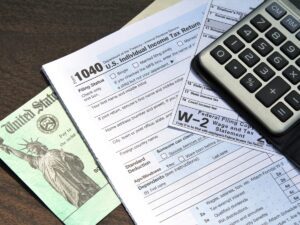
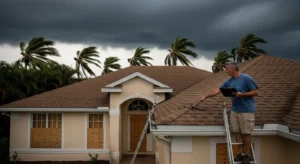
Florida homeowners dealing with fire, flood, storm or other sudden property damage may have another financial consideration beyond their insurance claim: a potential casualty-loss tax deduction.
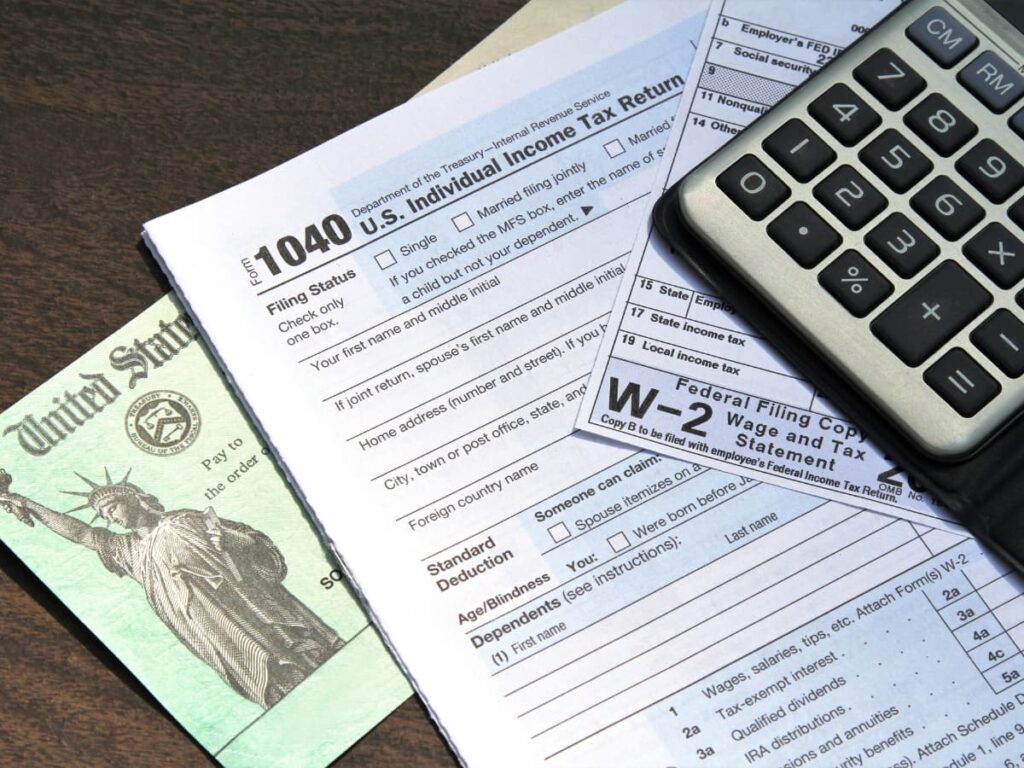
A federal tax change that took effect in 2026 expanded eligibility for certain personal casualty losses, meaning qualifying losses associated with state-declared disasters may now be deductible in addition to certain losses associated with federally declared disasters.
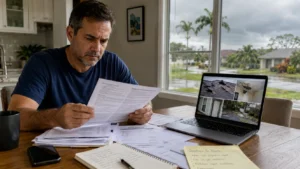
For homeowners navigating a property damage insurance claim or considering help from a public adjuster in Florida, understanding these rules makes accurate documentation even more important.
And this isn’t just about hurricanes.
Fires, severe storms, flooding, tornadoes and other sudden events can cause significant property losses throughout Florida. Understanding how insurance reimbursement, property documentation and casualty-loss rules interact can help homeowners preserve important information after a loss.
Quick Answer: Certain property damage caused by a sudden casualty or qualifying disaster may be eligible for a federal tax deduction. Beginning in 2026, certain personal casualty losses associated with state-declared disasters can also qualify. Insurance reimbursement generally affects the amount of the casualty loss, so Florida property owners should document damage carefully, maintain their insurance records and consult a qualified tax professional regarding eligibility.
A public adjuster can assist with the property insurance claim, while a qualified tax professional should determine whether the loss qualifies for a tax deduction.
What Changed for Property Damage Tax Deductions in 2026?
For recent tax years, deductions for personal casualty losses were generally restricted to losses attributable to federally declared disasters, subject to certain exceptions.
Beginning with tax year 2026, the rules expanded.
According to the IRS, certain personal casualty losses attributable to a state-declared disaster may now qualify, provided the other requirements under federal tax law are satisfied.
This matters for Florida property owners because serious losses aren’t limited to major hurricanes that receive national attention.
A fire, tornado, severe storm, flood or another qualifying disaster can cause substantial damage to an individual home or community.
However, property damage does not automatically qualify for a tax deduction.
The type and cause of loss, applicable disaster declaration, insurance reimbursement and individual financial circumstances can all affect eligibility and the amount of a potential deduction.
For qualifying personal casualty losses associated with state-declared disasters beginning in 2026, IRS guidance generally applies a $100-per-casualty limitation and a limitation based on 10% of adjusted gross income (AGI). Different treatment can apply to certain federally declared disasters.
Because these calculations depend on individual circumstances, homeowners should speak with a qualified CPA, enrolled agent or tax professional before claiming a casualty-loss deduction.
What Types of Florida Property Damage May Be Considered a Casualty Loss?
The IRS generally defines a casualty as property damage, destruction or loss resulting from an identifiable event that is sudden, unexpected or unusual.
That makes casualty losses considerably broader than hurricane damage.
Fire and Smoke Damage
A residential fire can cause extensive property damage in a matter of minutes.
The loss may extend beyond visibly burned materials. Smoke, soot and water used during firefighting efforts can affect walls, ceilings, flooring, furniture, personal belongings and other areas of the property.
For homeowners, thoroughly documenting the extent of the damage can be important for both the property damage insurance claim and any later financial or tax review.
Flood and Water Damage
Flooding can also fall within federal casualty-loss rules.
However, there is an important insurance distinction.
Not all water damage is treated the same way by insurance.
Rising floodwater, a burst pipe, an appliance leak and wind-driven rain may involve very different insurance coverage. Flood insurance and standard homeowners insurance are also separate forms of coverage in many situations.
The source and cause of the water matter when determining insurance coverage.
Severe Storm and Wind Damage
Florida experiences thunderstorms, high winds and severe weather throughout the year.
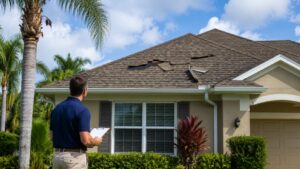
These events can damage roofing, windows, exterior structures and other building components. Exterior damage can also lead to water intrusion affecting ceilings, insulation, drywall and flooring.
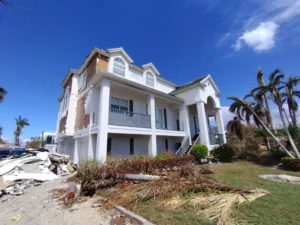
Hurricanes and tropical storms fall within this category, but they are not the only weather events capable of producing significant property insurance claims.
Tornado Damage
Florida also experiences tornadoes, sometimes in connection with larger storm systems and sometimes as more localized events.
A tornado can cause concentrated damage to roofing systems, exterior walls, windows, trees, vehicles and other structures.
Even when damage is limited to a relatively small geographic area, the financial impact on an individual homeowner can be substantial.
Other Sudden Property Losses
Other unexpected events may also qualify as casualty losses depending on the circumstances.
For tax purposes, the important question is generally whether the loss resulted from a qualifying sudden, unexpected or unusual event and whether the applicable federal requirements are satisfied.
For insurance purposes, the question is different:
Does the homeowner’s insurance policy cover the cause and resulting damage?
This is why tax eligibility and insurance coverage should always be evaluated separately.
How Do Insurance Claims Affect a Property Damage Tax Deduction in Florida?
This is one of the most important parts of the process.
The cost of repairing your property is not automatically the amount of your tax deduction.
Consider a homeowner in Bradenton whose home suffers significant fire damage.
The homeowner files an insurance claim, documents the damaged building and personal property, receives repair estimates and eventually receives payment from the insurance company.
The homeowner generally cannot simply deduct the entire repair estimate.
Insurance reimbursement matters.
According to IRS guidance, insurance or other reimbursement generally reduces the amount considered when calculating a casualty loss. Expected reimbursement can also affect the calculation in certain circumstances.
Other tax factors can apply as well.
This makes it important to keep records showing:
- What property was damaged
- When the damage occurred
- How the loss occurred
- Photographs and videos of the property
- Repair and replacement estimates
- Insurance claims submitted
- Insurance payments received
- Expected insurance reimbursements
- Out-of-pocket expenses
- Relevant property records
Good documentation creates a clearer record of the actual financial loss.
What Florida Homeowners Should Do Immediately After Property Damage
Whether the damage comes from fire, severe weather, water or another sudden event, what you do immediately afterward can affect the records available during the insurance claim.
1. Make Safety the Priority
Do not enter a property that may be structurally unsafe or affected by electrical hazards, fire, contaminated water or other dangerous conditions.
Follow instructions from emergency personnel when applicable.
2. Photograph and Video Everything
Once the property is safe to access, document the damage thoroughly.
Take both wide-angle photographs and close-ups.
Capture damage involving:
- Roofs and exterior structures
- Ceilings and walls
- Windows and doors
- Flooring
- Cabinets
- Personal property
- Water intrusion
- Fire and smoke
- Fallen trees or debris
- Other affected areas
Video can also help establish the overall condition of the property.
3. Protect the Property From Additional Damage
Reasonable emergency measures may be necessary to prevent the situation from becoming worse.
For example, a property owner may need to temporarily cover an opening or stop an active water source.
When possible, photograph the original damage before and after emergency repairs and keep all related receipts.
4. Document Items Before Disposing of Them
Safety comes first. Some damaged property may need to be removed quickly because of fire, contaminated water, mold or other hazards.
When safely possible, photograph damaged items before disposal.
Record descriptions, model numbers, approximate purchase dates and any available receipts or proof of ownership.
5. Create a Property Damage File
Keep all records associated with the loss in one place, including:
- Insurance policy
- Claim number
- Insurance correspondence
- Photos and videos
- Inspection reports
- Contractor estimates
- Invoices
- Receipts
- Personal property inventories
- Insurance settlement documents
- Records of payments received
This information can be useful during the insurance claim and when discussing potential casualty losses with a tax professional.
How a Public Adjuster in Florida Can Help With Property Damage Claims
A public adjuster in Florida represents the policyholder during the property insurance claim process rather than working for the insurance company.
Depending on the claim and applicable Florida law, a public insurance adjuster may assist with documenting property damage, reviewing insurance coverage, evaluating the scope of the loss, preparing estimates and communicating with the insurance carrier.
And public adjusting is not limited to hurricanes.
Property owners may seek professional insurance claim assistance after losses involving:
- Fire and smoke damage
- Severe storm damage
- Wind damage
- Certain sudden water losses
- Tornado damage
- Hurricane or tropical storm damage
- Roof and resulting interior damage
- Fallen trees or impact damage
- Other covered property losses
A public adjuster does not determine whether a homeowner qualifies for a federal casualty-loss deduction.
That determination should be made with a qualified tax professional.
The public adjuster’s role focuses on documenting and handling the insurance portion of the property loss.
Common Mistakes That Can Hurt a Property Damage Insurance Claim
Waiting Too Long to Document the Damage
Property conditions can change quickly.
Water dries, debris gets removed, temporary repairs are completed and damaged belongings may be discarded.
Document the original condition as early as safely possible.
Making Permanent Repairs Too Quickly
Emergency work may be necessary to protect the property.
However, completing extensive permanent repairs before adequately documenting the original damage can make it more difficult to establish what occurred.
Assuming the First Insurance Estimate Includes Everything
An initial inspection does not necessarily mean every damaged component has been identified.
Review the scope of the loss carefully and maintain your own documentation.
Throwing Away Receipts
Keep receipts for emergency services, temporary repairs, inspections and other loss-related expenses.
Small expenses can add up quickly.
Assuming You Only Need a Public Adjuster After a Hurricane
Property insurance claims occur throughout the year.
Fire, sudden water damage, wind, severe thunderstorms, tornadoes and other events can result in substantial property losses.
Professional claim assistance isn’t limited to hurricane season.
Confusing Insurance Coverage With Tax Eligibility
An insurance policy determines whether a particular loss is covered under the policy.
Federal tax law determines whether a casualty loss qualifies for a deduction.
One does not automatically establish the other.
Frequently Asked Questions About Property Damage and Tax Deductions in Florida
Can I deduct property damage on my taxes in Florida?
Certain casualty losses may qualify for a federal tax deduction. Beginning in 2026, certain personal casualty losses associated with state-declared disasters may qualify in addition to certain federally declared disasters. Eligibility depends on the event and individual circumstances, so consult a qualified tax professional.
Can fire damage qualify for a casualty-loss deduction?
Fire is recognized by the IRS as a type of event that may result in a casualty loss. Whether a particular loss qualifies for a deduction depends on applicable tax rules, reimbursements and individual circumstances.
Does insurance reimbursement affect my property damage tax deduction?
Yes. Insurance and other reimbursement generally affect the calculation of a casualty loss. Homeowners should maintain clear records showing insurance payments received and amounts they reasonably expect to receive.
Can a public adjuster help with fire, water or storm damage?
A licensed public adjuster can assist policyholders with many types of covered property insurance claims, depending on the cause of loss and policy. These may include fire, smoke, wind, storm and certain sudden water-damage claims.
When should I contact a public adjuster in Florida?
Property owners may consider professional insurance claim assistance when damage is significant or complicated, multiple areas are affected, there are concerns that damage has been overlooked, or there is disagreement regarding the scope or value of a covered loss.
How do I find a public adjuster near me in Bradenton or Sarasota?
Look for a properly licensed Florida public adjuster with relevant experience handling the type of property damage involved. Property owners in Bradenton, Manatee County and Sarasota may also benefit from working with a professional familiar with Florida property insurance claims and local conditions.
Need Help With a Property Damage Insurance Claim in Florida?
Property damage doesn’t wait for hurricane season.
A fire, severe storm, sudden water event, wind damage or another covered loss can leave Florida property owners facing repairs, insurance paperwork and unexpected financial questions.
While questions about a property damage tax deduction in Florida should be reviewed with a qualified tax professional, The Homeowner’s Advocate can assist with the property insurance claim process.
The Homeowner’s Advocate helps Florida property owners document and navigate property damage insurance claims from the policyholder’s perspective.
If your property in Bradenton, Manatee County, Sarasota or another Florida community has suffered covered property damage, professional insurance claim assistance can help you better understand the damage and navigate your claim.
Contact The Homeowner’s Advocate to discuss your property damage insurance claim and learn how a Florida public adjuster may be able to assist.
Disclaimer: This article is provided for general informational purposes only and does not constitute tax, legal or financial advice. Tax rules, insurance policies, disaster declarations and individual circumstances vary. Consult qualified professionals regarding your specific situation.