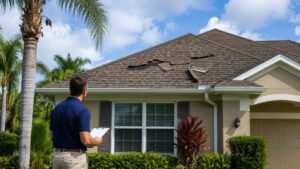

If Hurricane Isaias damaged your home in Northwest Florida, the next challenge may be getting your insurance claim properly evaluated. Missing shingles, interior water leaks, fallen trees, and structural damage can involve multiple types of coverage, repair estimates, and insurance claim requirements.
Homeowners in Milton, Pensacola, Navarre, Crestview, and surrounding communities may be eligible for insurance coverage for hurricane-related roof, wind, and resulting interior water damage. Coverage depends on the cause of damage, policy terms, and deductibles. A licensed public adjuster can help document losses, review estimates, and address disputed claims.
Whether you have already filed a claim, received a settlement offer, or discovered damage that has not yet been reported, understanding your options can help you make informed decisions about repairs and insurance compensation.
Hurricane Isaias Damage Across Northwest Florida
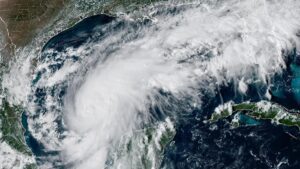
On October 9, 2026, Hurricane Isaias made landfall near Destin, Florida, with maximum sustained winds of approximately 105 mph.
The National Hurricane Center also reported wind gusts of 116 mph near Santa Rosa Sound and 100 mph near Pensacola. These conditions created serious risks for residential roofs, exterior structures, trees, and properties exposed to wind-driven rain.
The hurricane affected communities throughout Northwest Florida, including portions of three major counties:
- Santa Rosa County: Milton, Pace, Navarre, Navarre Beach, Point Baker, Jay, and Avalon.
- Escambia County: Pensacola, Molino, Cantonment, Century, Pensacola Beach, and Perdido Key.
- Okaloosa County: Crestview, Destin, Fort Walton Beach, Niceville, Mary Esther, and Shalimar.
The extent and type of damage varied by neighborhood and individual property.
Milton and Santa Rosa County: Roof, Tree, and Structural Damage
Milton experienced particularly widespread storm damage.
According to preliminary assessments published by the City of Milton, approximately 60% of structures sustained some degree of damage, with an estimated 5% rendered uninhabitable.
These figures describe the city’s preliminary structural damage assessment, not the number of insurance claims filed or approved.
For homeowners in Milton, Pace, and nearby communities, important concerns include roof damage, fallen trees, damaged exterior components, and water intrusion following wind damage.
Even when the most obvious debris has been removed, homeowners may still discover damaged roofing materials, moisture inside walls, or structural problems requiring further inspection.
Pensacola and Escambia County: Wind Damage and Interior Water Leaks
Homeowners in Pensacola and surrounding Escambia County communities may be dealing with damaged shingles, flashing, soffits, windows, or exterior doors.
When these components are compromised, rainwater can enter the building and affect ceilings, insulation, drywall, and flooring.
Properties near Pensacola Beach and Perdido Key may also require separate evaluations for coastal flooding and storm surge.
Understanding the difference between wind-related water intrusion and rising floodwater is especially important when preparing an insurance claim.
Navarre, Crestview, Destin, and Fort Walton Beach: Different Properties, Different Claims
Hurricane damage is not limited to coastal homes.
In Crestview and inland portions of Okaloosa County, fallen trees, wind damage, and debris impacts may be significant concerns.
In Navarre, Destin, and Fort Walton Beach, homeowners may encounter a combination of roof damage, wind-driven rain, and coastal water-related losses.
The location of a property does not determine insurance coverage by itself. The cause of the damage, the building’s condition, and the insurance policy must all be considered.
What Types of Hurricane Isaias Damage Can Homeowners Claim?
The most important damage categories to investigate are roof and exterior wind damage, resulting interior water damage, and damage caused by falling trees or flying debris.
Flood and storm surge damage should be evaluated separately because different insurance coverage generally applies.
1. Roof and Exterior Wind Damage
Does homeowners insurance cover hurricane roof damage in Florida?
Yes, many Florida homeowners policies cover direct physical damage caused by hurricane winds, subject to the policy’s terms, exclusions, and deductible.
Common signs of wind damage include:
- Missing, lifted, torn, or creased shingles
- Damaged metal roofing panels
- Loose flashing or roof vents
- Damaged soffits, fascia, and gutters
- Broken windows or exterior doors
- Damaged siding and exterior finishes
- Compromised garage doors or attached structures
Some roofing damage is visible immediately. Other problems, such as lifted shingles or compromised flashing, may be difficult to recognize from the ground.
An insurer’s repair estimate may identify only certain damaged components. If a qualified inspection reveals additional storm-related damage, the homeowner may have grounds to request further review.
A disagreement over roof repair versus replacement should be evaluated using the actual damage, applicable building requirements, repairability, and insurance policy provisions.
2. Interior Water Damage Caused by Hurricane Winds
Can I file a claim for water damage after a hurricane?
Potentially. Interior rain damage may be covered when hurricane winds first damage the building, creating an opening through which rain enters.
This distinction matters because water damage can extend far beyond the original roof or window opening.
Signs of interior damage include:
- Water stains on ceilings or walls
- Wet attic insulation
- Sagging or damaged drywall
- Buckled hardwood or laminate flooring
- Damaged cabinets and trim
- Moisture behind walls
- Damaged furniture or personal belongings
For example, wind may damage roof flashing, allowing rainwater to enter the attic and travel into several rooms.
An insurance estimate addressing only the exterior roof damage may not reflect all resulting interior damage.
Homeowners should document visible damage and consider qualified moisture assessments when hidden water intrusion is suspected.
Coverage depends on the policy, including any limitations or exclusions that apply.
3. Fallen Trees and Flying-Debris Damage
Does homeowners insurance cover a tree falling on a house during a hurricane?
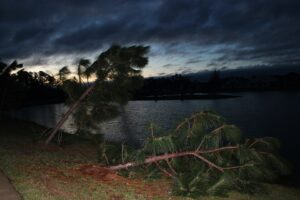
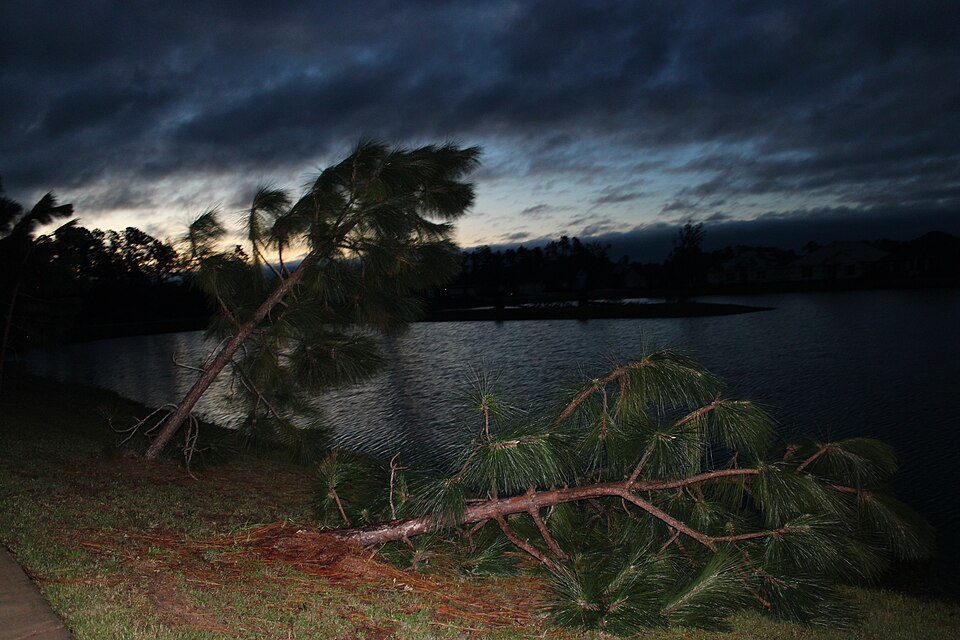
Many homeowners policies cover damage when a tree falls onto an insured structure because of a covered windstorm. However, coverage for tree removal, detached structures, fences, and landscaping may differ.
A fallen tree can damage more than the roof surface.
Possible losses include broken structural framing, damaged walls, compromised ceilings, shattered windows, and subsequent interior water intrusion.
Flying debris can also damage windows, siding, garage doors, and other exterior components.
Before removing debris, photograph the affected areas when it is safe to do so. Retain cleanup invoices, emergency repair receipts, and professional inspection reports.
Never enter an unstable structure or approach downed electrical lines to document damage.
4. Flood and Storm Surge Damage
Is storm surge covered by homeowners insurance in Florida?
Generally, no. Standard homeowners insurance policies typically exclude flooding caused by rising water, including storm surge. Separate flood insurance may provide coverage.
This is particularly important for homeowners in coastal communities such as Navarre Beach, Pensacola Beach, Destin, and Fort Walton Beach.
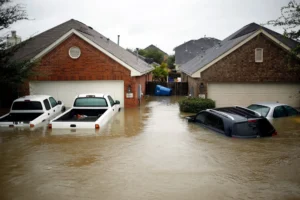
Flood-related damage may involve flooring, lower walls, appliances, electrical equipment, and personal belongings.
A home can experience both covered wind damage and separately insured flood damage during the same hurricane.
For example, wind may damage a roof while storm surge enters the ground floor. The two losses may need separate documentation and claim evaluations.
Do not assume all water damage is covered under one policy simply because it occurred during a hurricane.
How Do Florida Hurricane Insurance Deductibles Work?
Many Florida homeowners policies have a separate hurricane deductible calculated as a percentage of the insured dwelling’s coverage amount.
For example, consider a home with $300,000 in dwelling coverage and a 2% hurricane deductible.
The deductible would be $6,000.
That does not necessarily mean the homeowner must pay an insurance company $6,000 directly. Generally, the applicable deductible is subtracted from the amount otherwise payable for covered damage.
The deductible shown on your policy declarations page is an important factor when reviewing a settlement estimate.
Other provisions, including coverage limits, exclusions, depreciation, and replacement-cost requirements, may also affect payment.
If your insurance settlement appears lower than expected, review both the deductible calculation and the repair estimate before deciding whether the amount is sufficient.
What Should You Do If Your Home Was Damaged by Hurricane Isaias?
If you have already discovered storm damage, taking a few organized steps can help protect your property and support the insurance claim process.
Step 1: Document Every Area of Damage
Take photographs and videos of affected areas when safe.
Include the roof, exterior walls, windows, ceilings, flooring, damaged belongings, and debris impacts.
Keep photographs taken before and after temporary repairs.
Step 2: Prevent Further Damage
Arrange reasonable emergency measures such as roof tarping, boarding damaged windows, or water mitigation.
Keep all invoices and receipts.
Avoid unnecessary permanent repairs before the damage has been documented, except where needed for safety or to prevent additional loss.
Step 3: Review Your Insurance Policy
Locate your declarations page and review your hurricane deductible, coverage limits, exclusions, and claim reporting requirements.
If flooding occurred, determine whether you have a separate flood policy.
Step 4: Report the Damage Promptly
Notify your insurance company according to the policy’s requirements.
In Florida, many property insurance claims must be reported within one year after the date of loss, while supplemental claims generally have an 18-month notice deadline.
Different policy provisions or legal exceptions may apply, so do not delay reporting a loss.
Step 5: Review the Insurance Company’s Estimate
Compare the insurer’s assessment with the damage documented at your property.
Look for potentially missing repair items, inaccurate quantities, overlooked interior damage, or differences in the scope of necessary repairs.
Step 6: Get Professional Help When Needed
If the claim involves extensive damage, conflicting estimates, a denial, or an unexpectedly low settlement, consider having the claim reviewed by a licensed public adjuster.
Need help understanding your hurricane insurance claim?
The HomeOwner’s Advocate assists Florida policyholders with damage documentation, claim evaluations, estimate reviews, and disputed property insurance claims.
What If Your Hurricane Insurance Claim Is Denied, Delayed, or Underpaid?
An insurance claim denial or low settlement offer does not necessarily mean the evaluation is final. Homeowners may have options to provide additional documentation, request reconsideration, or pursue an available dispute-resolution process.
Common hurricane claim disagreements include:
- Wind damage classified as ordinary roof deterioration
- Interior water damage excluded because the cause is disputed
- Roofing repairs estimated without related exterior or interior work
- Missing structural or debris-impact damage
- Repair costs that differ significantly from qualified contractor estimates
- Disagreements about depreciation or deductibles
- Delays in inspections or claim decisions
If you believe your hurricane insurance claim is underpaid, request and review the insurer’s written estimate and explanation.
Compare that information with photographs, inspection reports, contractor estimates, and other supporting evidence.
A licensed public adjuster can help assess the documented loss and communicate a supported claim position to the insurance company.
Professional assistance does not guarantee additional payment, but it can help homeowners better understand disputed damage and the evidence needed to support their claim.
Frequently Asked Questions About Hurricane Isaias Insurance Claims
-
Can I still file a Hurricane Isaias insurance claim in Florida?
Potentially. Florida law generally requires notice of an initial property insurance claim within one year after the date of loss and a supplemental claim within 18 months. Policy requirements and legal exceptions may apply. Report damage promptly.
-
Does homeowners insurance cover hurricane roof damage?
Many policies cover direct roof damage caused by hurricane winds. Coverage depends on the policy’s terms, deductibles, exclusions, and the documented cause and extent of damage.
-
Can I claim water damage caused by a hurricane?
Yes, potentially. Rainwater damage may be covered when hurricane winds first create an opening in the building that allows water inside. Rising floodwater is generally treated separately.
-
What should I do if my hurricane insurance claim is underpaid?
Review the insurance estimate, document missing or disputed damage, gather supporting repair information, and consider a professional claim evaluation. You may be able to request reconsideration or pursue an available dispute-resolution process.
-
Do I need a public adjuster for hurricane damage?
Not every homeowner needs a public adjuster. However, professional assistance may be useful when a claim involves extensive damage, complicated coverage questions, conflicting estimates, or a denied or underpaid settlement.
-
Where can I get hurricane insurance claim help in Northwest Florida?
The HomeOwner’s Advocate assists Florida policyholders with property insurance claims and offers free claim assessments. Homeowners in Milton, Pensacola, Navarre, Crestview, and surrounding communities can contact the firm to discuss their circumstances.
Get Help With Your Hurricane Isaias Property Damage Claim
Recovering from hurricane damage involves more than repairing a roof or removing fallen trees. It also means understanding what happened to your property, how your insurance coverage applies, and whether the claim estimate accounts for the documented loss.
If your home in Milton, Pensacola, Navarre, Crestview, or another Northwest Florida community sustained damage during Hurricane Isaias, you do not have to navigate a complicated insurance claim without professional guidance.
Whether you are preparing an initial claim, reviewing an insurance settlement, or questioning a denied or underpaid claim, The HomeOwner’s Advocate can help you evaluate the next steps.
Insurance coverage and claim outcomes depend on individual policy terms, the cause and extent of damage, supporting documentation, and applicable Florida law. Public adjusting services do not guarantee claim approval or any particular settlement amount.