
Why Flood Damage vs. Wind Damage Matters After a South Florida Hurricane
Flood damage and wind damage are usually covered under different insurance policies. Wind damage may fall under homeowners or windstorm insurance, while rising water and storm surge generally require separate flood insurance coverage.
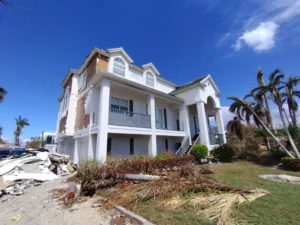
This distinction can become complicated after a South Florida hurricane. The same property may have roof damage caused by high winds, rain entering through a storm-created opening and rising water affecting the lower level.
Although all this damage happened during the same storm, it may not be covered under one policy.
A hurricane claims adjuster may need to determine which damage was caused by wind, which resulted from flooding and whether multiple insurance policies apply.
This issue affects homeowners and property owners throughout South Florida, including Miami-Dade, Broward, Palm Beach, Lee, Collier, Charlotte and Manatee counties. Coastal exposure, heavy rainfall, storm surge and hurricane-force winds can create overlapping damage that is difficult to separate after the storm passes.
Quick summary: Wind damage generally includes roof, window, exterior and structural damage caused by moving air. Flood damage typically involves rising water, storm surge or water moving across normally dry land. When both affect the same property, separate policies, claims and deductibles may apply.
The specific coverage depends on the language, exclusions, deductibles and endorsements contained in each policy.
What Is the Difference Between Flood Damage and Wind Damage?
The central difference is usually the source and movement of the water.
Wind damage is caused by the force of moving air or by an opening created by the wind. Flood damage generally results from water rising, accumulating or moving across land that is normally dry.
The most important question is often not simply whether water entered the property. It is:
How did the water enter, and what happened first?
For example, hurricane winds may damage a roof and allow rain to enter through the opening. In another situation, storm surge may rise from the ground and enter through doors, exterior walls or the foundation.
Both situations involve water damage, but they may be handled under different insurance policies.
What Is Usually Considered Wind Damage?
Wind-related damage may include:
- Missing, lifted or torn roof shingles
- Damaged roof membranes
- Broken windows or exterior doors
- Damage caused by flying debris
- Fallen trees or branches
- Siding, soffit or fascia damage
- Structural movement caused by wind pressure
- Rain entering through a storm-created opening
A homeowners or separate windstorm policy may cover qualifying wind damage, subject to the policy’s terms, exclusions and applicable hurricane deductible.
Coverage should not be assumed. Some South Florida properties have separate windstorm insurance, and the carrier may investigate whether the damage resulted from wind, wear and tear, poor maintenance or a pre-existing condition.
What Is Usually Considered Flood Damage?
Flood damage generally involves water that rises, accumulates or moves across normally dry land.
Examples may include:
- Hurricane storm surge
- Rising coastal water
- Overflowing canals, rivers or lakes
- Rapid surface-water accumulation
- Neighborhood-wide flooding
- Water entering a property from ground level
Most standard homeowners and renters insurance policies do not cover flood damage caused by rising water or storm surge.
Separate flood insurance may be available through the National Flood Insurance Program or a private flood insurance carrier.
How a Hurricane Claims Adjuster Determines the Cause of Damage
Determining whether damage resulted from wind, flooding or both requires more than inspecting the property after the water has receded.
A qualified hurricane claims adjuster may review:
- The condition of the roof, windows and exterior walls
- The direction and pattern of structural damage
- Interior water stains and moisture patterns
- Recorded water lines
- Debris impact
- The timing of wind, rain and storm surge
- Weather and storm reports
- Pre-storm photographs
- Maintenance records
- Contractor or engineering reports
This investigation can become especially important when an insurance company argues that covered wind damage was actually caused by excluded flooding, deterioration or another condition.
The evidence should help establish what happened, when it occurred and which portion of the damage may fall under each policy.
Which Insurance Policy Covers Wind Damage?
Wind damage may be covered under one of the following:
- A standard homeowners insurance policy
- A separate windstorm insurance policy
- A commercial property policy
- A condominium association’s master policy
- A landlord or investment-property policy
The applicable policy depends on the type of property, its location and how the insurance coverage was structured.
In coastal areas of South Florida, wind coverage may be issued separately from the primary homeowners policy. Condominium owners may also need to determine whether the damage falls under the association’s master policy or the unit owner’s individual policy.
Understanding Florida Hurricane Deductibles
A hurricane deductible is often different from the deductible used for other property losses.
Instead of a fixed amount, a hurricane deductible may be calculated as a percentage of the insured value of the home.
For example, if a home is insured for $500,000 and the hurricane deductible is 2%, the deductible would be $10,000.
The policy determines when the deductible applies and how it operates during hurricane season. Property owners should review the declarations page, deductible section and endorsements rather than relying on general assumptions.
A licensed Florida public adjuster can help review the policy and explain how the deductible may affect the claim.
It is also important to understand the difference between the professionals involved:
- An insurance company adjuster evaluates the loss for the carrier.
- A public insurance adjuster represents the policyholder.
Which Insurance Policy Covers Flood and Storm-Surge Damage?
Flood and storm-surge damage are generally handled through a separate flood insurance policy rather than a standard homeowners policy.
Flood coverage may be issued through:
- The National Flood Insurance Program
- A private flood insurance carrier
- An excess flood insurance policy
Under an NFIP policy, building coverage and personal-property coverage are separate and may have different deductibles.
Flood coverage may apply to eligible items such as:
- The insured building and foundation
- Electrical and plumbing systems
- Permanently installed equipment
- Certain appliances
- Qualifying personal property
- Business equipment under applicable commercial coverage
However, flood policies can limit coverage for lower-level areas, enclosed spaces below elevated buildings, temporary housing and certain personal belongings.
Storm surge is generally treated as flooding, even when the surge was caused by a hurricane.
This is why a homeowner may have wind coverage but still face a major insurance gap if there is no separate flood policy.
What Happens When Wind and Flood Damage Affect the Same Property?
One hurricane can cause several different types of damage.
When both wind and flood damage affect a property, the homeowner may need to file claims under more than one policy.
Example 1: Roof Damage Followed by Rain
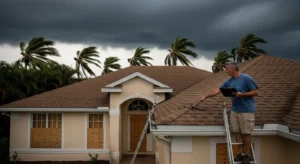
Hurricane winds remove part of the roof. Rain enters through the storm-created opening and damages ceilings, walls and flooring.
The homeowners or windstorm policy may apply if the evidence shows that wind caused the opening.
However, the insurance company may investigate whether the roof damage was caused by wind, age, deterioration or installation problems.
Example 2: Storm Surge and Structural Wind Damage
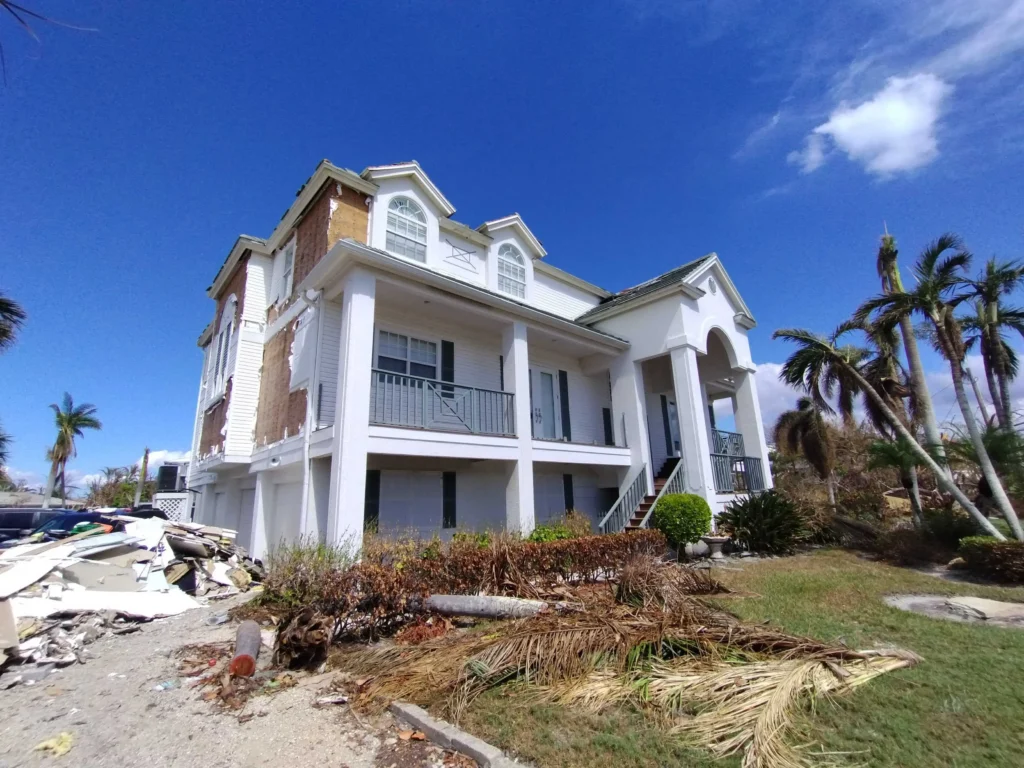
Storm surge enters the first floor while hurricane winds damage the roof and upper exterior.
The flood policy may apply to eligible storm-surge damage, while the homeowners or windstorm policy may apply to qualifying structural wind damage.
Separate claims, inspections and deductibles may be involved.
Example 3: Wind-Driven Rain Without a Visible Opening
Heavy rain enters around windows or exterior doors, but no clear storm-created opening is visible.
Coverage may depend heavily on the language of the policy. Some policies restrict coverage for rain unless wind first creates an opening in the structure.
Why Cause-of-Loss Disputes Matter
When wind and flood damage happen during the same storm, insurers may disagree over which peril caused each part of the loss.
That determination can affect:
- Which policy responds
- Which deductible applies
- Whether part of the damage is excluded
- How repair costs are allocated
- Whether the claim is paid, underpaid or denied
A public insurance adjuster can document the loss from the policyholder’s perspective, prepare an estimate and present supporting evidence to the insurance carrier.
However, coverage and settlement results should never be guaranteed before the applicable policies and facts are reviewed.
How to Strengthen a Property Damage Insurance Claim
Taking organized action after a hurricane can help protect the property and strengthen a property damage insurance claim.
Step 1: Put Safety First
Do not enter a property with standing water, electrical hazards, structural instability, gas leaks or other dangerous conditions.
Follow local emergency instructions and use licensed professionals when necessary.
Step 2: Document the Damage Before Cleanup
Take wide-angle and close-up photographs and videos of:
- Every damaged room
- The roof and exterior, when safely accessible
- Windows and doors
- Visible water lines
- Damaged furniture and personal property
- Debris and fallen trees
- Structural openings
- Appliances and building systems
Capture the condition of the property before removing damaged materials whenever possible.
Step 3: Prevent Additional Damage
Policyholders are generally expected to take reasonable steps to prevent avoidable additional damage.
Temporary measures may include:
- Tarping a damaged roof
- Boarding broken windows
- Removing standing water
- Using professional drying equipment
- Moving undamaged belongings to a secure area
Avoid unnecessary permanent repairs before the insurance company has had an opportunity to inspect the damage.
Step 4: Save Records and Receipts
Keep copies of:
- Emergency repair invoices
- Temporary housing expenses
- Cleanup and mitigation bills
- Contractor estimates
- Emails and letters from insurers
- Claim numbers
- Inspection reports
- Photographs and videos
- A written communication log
Step 5: Notify Every Applicable Insurer
A property affected by both wind and flooding may require more than one claim.
Notify each potentially applicable insurance carrier promptly.
Provide accurate information without guessing about the cause of damage. Describe what you observed and allow the available evidence to support the cause-of-loss determination.
Step 6: Review the Insurance Estimate Carefully
Compare the carrier’s estimate with the visible damage and qualified repair estimates.
Check whether the estimate includes:
- Every affected room
- Roofing components
- Matching materials
- Necessary demolition
- Drying and remediation
- Code-related work when covered
- Personal property
- Labor, disposal and taxes
- Related structural damage
When the documentation or estimate appears incomplete, professional insurance claim assistance may help identify missing damage and prepare a more complete claim presentation.
Common Flood and Wind Damage Claim Mistakes
Assuming One Insurance Policy Covers Everything
A hurricane is one weather event, but it can trigger several types of insurance coverage.
Do not assume that a homeowners policy automatically covers rising water or storm surge.
Cleaning Up Before Documenting the Property
Immediate mitigation may be necessary, but failing to photograph and inventory the damage can make it more difficult to demonstrate the original condition.
Throwing Away Damaged Property Too Quickly
The insurance company may want to inspect damaged materials or personal belongings.
Photograph items thoroughly and ask the insurer before discarding them unless health or safety conditions require immediate disposal.
Missing Hidden Damage
Moisture behind walls, damage beneath roofing materials and structural movement may not be obvious during an initial inspection.
Accepting the First Estimate Without Reviewing It
The first estimate is not always a complete assessment of the loss.
Compare it with the actual scope of damage, contractor findings and the repairs required to restore the property.
Confusing an Insurance Claims Adjuster With a Public Adjuster
An insurance claims adjuster assigned by the carrier works for the insurance company.
A licensed public adjuster represents the policyholder in documenting, preparing and negotiating a covered property claim.
Waiting Too Long to Seek Insurance Claim Assistance
Insurance policies and Florida law can impose reporting, documentation and claim-related deadlines.
The requirements should be reviewed based on the date of loss, policy terms and circumstances of the claim.
Frequently Asked Questions About Flood Damage vs. Wind Damage
Does homeowners insurance cover hurricane wind damage?
A homeowners or separate windstorm policy may cover qualifying roof, window, exterior and structural damage caused by hurricane winds. Coverage depends on the policy language, exclusions, evidence and hurricane deductible.
Does homeowners insurance cover hurricane flooding?
Most standard homeowners policies do not cover flooding caused by rising water or storm surge. Separate NFIP or private flood insurance is generally required.
Is wind-driven rain considered wind damage or flood damage?
It depends on how the rain entered and what the insurance policy says. Rain entering through a wind-created opening may be evaluated differently from rising water entering at ground level.
Can I file both a wind claim and a flood claim?
Yes. If a hurricane causes both wind and flood damage, the property owner may need to file claims under both policies. Each insurer evaluates the portion of damage that may fall under its coverage.
When should I contact a hurricane claims adjuster?
Consider seeking help when the property has extensive damage, multiple policies may apply, the cause of loss is disputed or the claim has been delayed, denied or underpaid.
What does a Florida public adjuster do?
A licensed Florida public adjuster represents the policyholder. The adjuster may review coverage, document property damage, prepare estimates and communicate with the insurer regarding the claim.
Get Help With a South Florida Flood or Wind Damage Claim
Flooding, wind, rain and storm surge can leave South Florida property owners dealing with multiple insurance policies, separate inspections and disagreements over what caused the damage.
The HomeOwner’s Advocate provides insurance claim assistance for homeowners and property owners navigating hurricane-related losses.
Our team can review the circumstances of the loss, document the property damage and help present the claim to the applicable insurance company.
*Coverage depends on the individual policy and facts of the loss. This article provides general educational information and is not legal advice or a guarantee of insurance coverage.