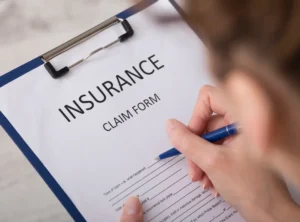

After a hurricane hits Florida, homeowners should prioritize safety, document all visible damage, prevent further loss, contact their insurance company, and consult a hurricane claims adjuster before accepting any settlement. Proper documentation and professional guidance can significantly impact your final payout.
Introduction
When a hurricane strikes Florida, the aftermath can feel overwhelming. Roof damage, flooding, broken windows, fallen trees, and water intrusion often leave homeowners scrambling to figure out what to do next. In these critical first hours and days, your decisions directly impact your insurance payout.
As a licensed hurricane claims adjuster, we’ve seen how small mistakes early in the process can lead to delayed, denied, or underpaid claims. Florida homeowners in Miami, Fort Lauderdale, Tampa, Naples, Orlando, Jacksonville, and across the Gulf and Atlantic coasts face unique storm risks. Knowing the right steps to take immediately after landfall can protect both your home and your financial recovery.
This step-by-step checklist outlines exactly what to do after a hurricane — from safety measures to filing your claim properly — so you avoid costly mistakes and secure the compensation you deserve.
Step 1: Ensure Safety First
Before thinking about insurance, protect your family.
Immediate Safety Priorities
- Avoid downed power lines
- Turn off electricity if water entered the home
- Watch for structural instability
- Avoid standing water (possible contamination)
- Follow local emergency guidance
Florida hurricanes often bring storm surge, flash flooding, and wind-driven debris. Even inland cities like Orlando and Lakeland experience roof failures and water damage.
Do not re-enter severely damaged structures until authorities confirm it is safe.
Step 2: Document All Damage Immediately
One of the most important steps a hurricane claims adjuster recommends is detailed documentation.
Take Photos and Video of:
- Roof damage
- Missing shingles or tiles
- Broken windows
- Interior ceiling stains
- Wet drywall
- Warped flooring
- Fallen trees
- Fence and exterior damage
- Waterlines or flood marks
Capture wide shots and close-ups. Record video walkthroughs. Timestamp if possible.
Do this before making repairs.
In Florida, distinguishing wind damage from flood damage is critical. Proper documentation helps establish cause of loss — which directly impacts coverage.
Step 3: Prevent Further Damage
Insurance policies require homeowners to mitigate additional loss.
Temporary Protection Measures
- Tarp exposed roofs
- Board up broken windows
- Remove standing water
- Dry affected areas
- Secure loose debris
Keep receipts for emergency repairs and temporary mitigation services. These costs are often reimbursable.
Failure to prevent further damage can lead to partial claim denials.
Step 4: Review Your Insurance Policy
Before filing, understand your coverage.
Check for:
- Hurricane deductible (percentage-based)
- Windstorm deductible
- Flood insurance policy (separate)
- Coverage limits
- Exclusions
Many Florida homeowners are surprised by hurricane deductibles, which are often 2%–5% of insured home value.
Example:
If your home is insured for $400,000 and you have a 2% hurricane deductible, your out-of-pocket cost is $8,000 before insurance applies.
A hurricane claims adjuster can help interpret these details before you proceed.
Step 5: Contact Your Insurance Company
Notify your insurer promptly.
When Reporting the Claim:
- Provide basic facts only
- Avoid speculation about cause
- Do not guess at repair costs
- Ask for claim number and adjuster contact
Be cautious with recorded statements. Stick to documented facts.
Step 6: Schedule an Inspection — But Prepare First
Insurance adjusters represent the insurance company.
Before inspection:
- Organize your photos
- Prepare a written damage list
- Gather receipts
- Note areas of concern
A professional hurricane claims adjuster representing you can attend inspections and ensure nothing is overlooked.
How a Hurricane Claims Adjuster Protects Florida Homeowners
Many homeowners don’t realize they can hire their own licensed public adjuster.
What a Hurricane Claims Adjuster Does
- Performs independent inspection
- Documents full scope of damage
- Estimates repair costs accurately
- Reviews policy coverage
- Identifies underpaid areas
- Negotiates directly with insurer
In large-scale Florida hurricane events, insurers are often overwhelmed. Rushed inspections can miss hidden damage such as:
- Roof decking compromise
- Moisture intrusion in walls
- Structural shifting
- Mold risk
Professional claim representation often results in significantly higher settlements.
Florida-Specific Considerations After a Hurricane
Wind vs Flood Distinction
Wind damage is covered under homeowners insurance. Flood damage requires a separate policy.
Hurricane Deductibles
These apply once per calendar year for named storms.
Building Code Upgrades
Florida’s strict building codes may require upgrades during repairs. Policies sometimes cover ordinance and law provisions.
Assignment of Benefits (AOB)
Be cautious when signing repair contracts assigning insurance benefits to contractors.
Benefits of Following This Hurricane Checklist
By following this hurricane claims adjuster checklist, Florida homeowners can:
- Avoid claim delays
- Reduce risk of underpayment
- Strengthen documentation
- Clarify deductible impact
- Improve settlement outcomes
- Protect long-term property value
The earlier you act, the stronger your claim position.
Common Mistakes After a Hurricane
Mistake #1: Cleaning Up Before Documenting
Always photograph damage first.
Mistake #2: Trusting the First Estimate
Initial insurance estimates often miss hidden damage.
Mistake #3: Ignoring Minor Damage
Small roof leaks can become major structural problems.
Mistake #4: Not Understanding Deductibles
Hurricane deductibles significantly affect payouts.
Mistake #5: Waiting Too Long to Seek Help
The earlier a hurricane claims adjuster gets involved, the better.
FAQ: Hurricane Claims Adjuster in Florida
1. When should I contact a hurricane claims adjuster?
Immediately after documenting damage and before accepting any insurance settlement.
2. Does hiring a hurricane claims adjuster increase my payout?
In many cases, yes. Proper documentation and negotiation often lead to higher settlements.
3. What is the difference between a public adjuster and insurance adjuster?
Insurance adjusters work for the insurer. Public adjusters work for you.
4. How long do I have to file a hurricane claim in Florida?
Deadlines vary by policy, but it’s best to report damage as soon as possible.
5. Do hurricane deductibles apply to every storm?
They apply to named hurricanes and typically once per year.
6. Can I reopen a hurricane claim if underpaid?
Yes. A hurricane claims adjuster can review and potentially reopen underpaid claims.
After a hurricane, every decision matters.
Before you accept an insurance estimate or sign off on repairs, speak with a licensed hurricane claims adjuster at The HomeOwner’s Advocate.
We fight for Florida homeowners — not insurance companies.
🔗 Schedule a Free Claim Assessment: https://calendly.com/jeffrey-107/15min
🌐 Visit: thehomeownersadvocate.com
Protect your home. Protect your payout. Get The HomeOwner’s Advocate on your side.