
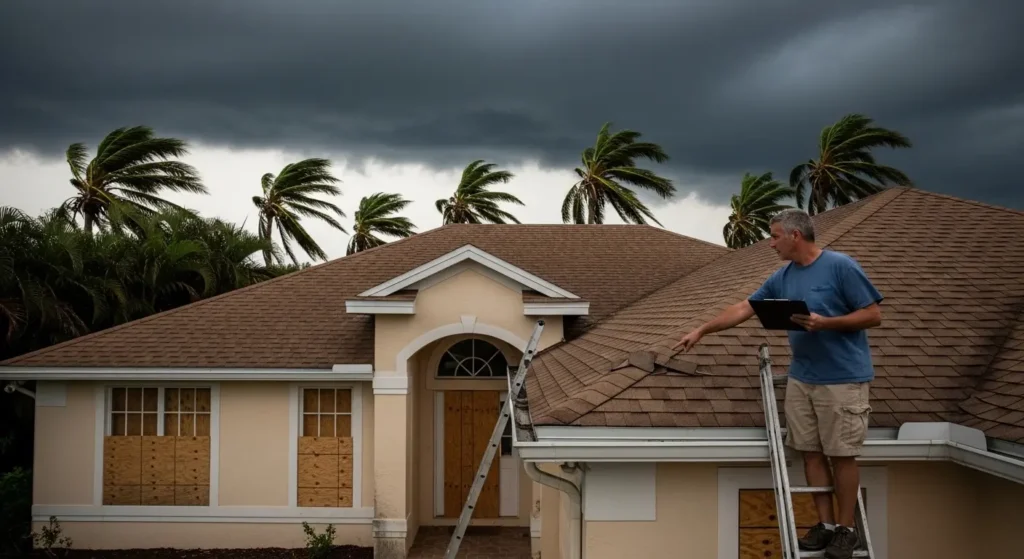
Homeowners who prepare before a storm usually have a smoother claims process after it. The best insurance claim preparation in Florida includes reviewing coverage, documenting the condition of the property, saving receipts, creating a home inventory, understanding hurricane deductibles, and knowing what to do immediately after damage happens. Early preparation helps reduce delays, strengthens documentation, and puts homeowners in a better position if they need help with a hurricane damage claim in Florida.
Introduction
Every year, Florida homeowners brace for wind, rain, flooding, roof leaks, fallen trees, and sudden property damage. When a storm hits, the focus quickly shifts from preparation to recovery, and that is when many people discover they are missing photos, policy details, repair receipts, or a clear action plan. That gap can slow down communication with the insurance carrier and make a stressful situation even harder.
That is why florida hurricane insurance claims should be prepared before the first major storm shows up on the radar. Whether you live in Miami, Fort Lauderdale, Naples, Orlando, Tampa, Sarasota, Jacksonville, or along the Gulf Coast, the same rule applies: the better your records are before the storm, the easier it is to support a hurricane damage claim Florida homeowners may need to file later.
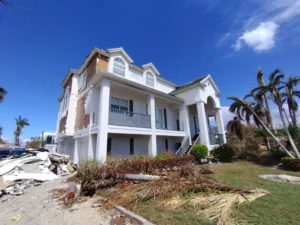
In South Florida especially, the combination of coastal exposure, older roofs, heavy rainfall, and fast-moving storm systems increases the risk of complex claims. Wind-driven rain can damage interiors, roof failures can lead to water intrusion, and homeowners often discover too late that flood damage and hurricane-related damage are handled differently. Preparing in advance is not overreacting. It is one of the smartest ways to protect your property and your financial position.
Why Florida Homeowners Need Insurance Claim Preparation Before Hurricane Season
Florida has one of the most active hurricane risk profiles in the country. From Broward and Miami-Dade to Palm Beach, Lee County, Collier County, and the Panhandle, storm exposure is a statewide concern. Even homeowners outside direct coastal zones can face major wind events, broken windows, roof uplift, interior water damage, mold growth, and debris-related losses.
Coverage confusion creates avoidable problems
One of the biggest issues in property damage Florida hurricane cases is misunderstanding coverage. Many homeowners assume all storm-related damage falls under one category, but that is not always true. Wind damage may be covered under the homeowners policy, while flood damage may require separate flood coverage. There may also be special deductibles for hurricane events, limits on certain types of property, or deadlines for giving notice and submitting documentation.
Delays after landfall make documentation harder
After a major storm, contractors get booked quickly, claim centers become overloaded, and emergency repairs begin fast. If the homeowner has not already documented the condition of the property, it becomes harder to prove what the home looked like before the loss. That can affect the strength of insurance claim preparation Florida homeowners need when disputes arise over the cause, extent, or value of damage.
Florida Hurricane Insurance Claims Checklist Before a Storm
1. Review your policy line by line
Read the declarations page and the main policy language, or ask a professional to help explain it in plain English. Confirm the dwelling coverage amount, other structures coverage, personal property limits, loss of use coverage, and your hurricane deductible. Make note of exclusions, waiting periods, and endorsements.
2. Photograph and video the property
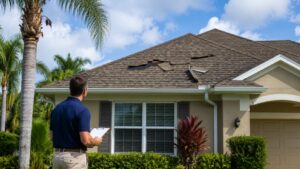
Take clear, date-stamped photos and walk-through videos of the roof, exterior walls, windows, doors, ceilings, flooring, kitchen, bathrooms, garage, appliances, and any higher-value items. Open closets, drawers, and storage areas. Capture upgrades such as impact windows, remodeled kitchens, custom cabinets, flooring, and built-in systems.
3. Build a home inventory
Create a room-by-room inventory of furniture, electronics, artwork, tools, household goods, and specialty items. Include approximate purchase dates, model numbers when available, and estimated values. Store the inventory digitally in cloud storage so you can access it even if devices are damaged.
4. Organize proof of ownership and maintenance
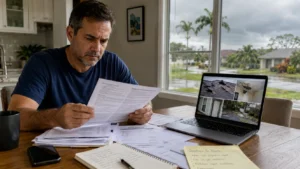
Keep receipts, invoices, permits, inspection reports, roofing records, appliance receipts, and records of recent repairs together in one secure folder. If your insurer questions whether damage was sudden or long-term, maintenance records can be very important.
5. Prepare for emergency mitigation
Know which contractors or emergency services you would call for tarping, water extraction, or board-up services. Save those contacts in your phone now. Fast mitigation can reduce secondary damage and show that you acted responsibly after the loss.
6. Back up everything in two places
Save copies of your policy, inventory, photos, videos, receipts, and contact list in at least two places, such as cloud storage and a flash drive kept in a waterproof bag. Redundancy matters when power outages and device failures happen.
How to Strengthen a Hurricane Damage Claim in Florida
A strong hurricane damage claim Florida property owners submit is built on evidence, timing, and consistency. The goal is not to create paperwork for the sake of it. The goal is to make it easier to show what was damaged, when it happened, and why the loss should be covered.
Use clear timelines
As soon as a storm passes safely, begin a simple timeline. Note the storm date, the time damage was first noticed, any emergency actions taken, who was contacted, and when temporary repairs began. This helps keep your file organized and can reduce confusion later.
Separate emergency repairs from permanent repairs
Emergency mitigation is usually necessary to prevent additional damage. Permanent repairs should be approached carefully and with documentation. Save every invoice, estimate, and receipt. Take photos before mitigation, during mitigation, and after.
Document hidden damage risks
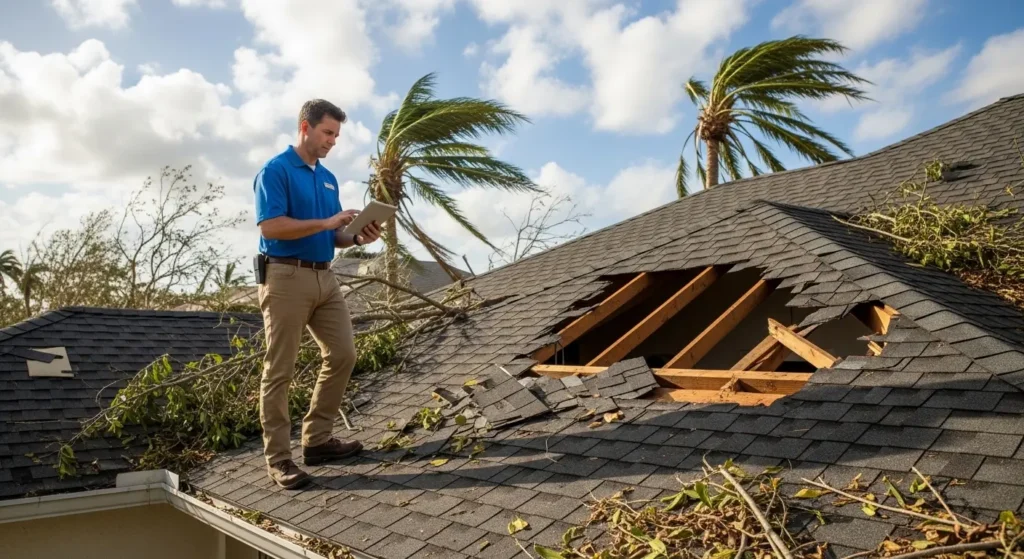
Not all hurricane damage is obvious on day one. Roof systems may have lifted, flashing may have failed, moisture may be entering behind walls, and mold may develop later. A visible stain is not always the full loss. Keep notes on odors, discoloration, peeling paint, warped materials, and HVAC concerns, especially in humid Florida conditions.
Benefits of Preparing Your Insurance Claim in Advance
Preparation gives homeowners more control in a situation that often feels chaotic. It can lead to faster reporting, more complete documentation, better communication with the insurance company, and fewer missed details. It also reduces the chance of scrambling for proof while trying to protect your family and home after a storm.
For Florida homeowners, preparation is also practical because hurricane losses rarely affect just one system. A single event can involve roofing, water intrusion, drywall, flooring, contents, temporary housing, mitigation expenses, and code-related repair considerations. Organized records help present the full picture.
This is especially valuable in South Florida markets where claim volume can surge after a named storm. When insurers, contractors, and inspectors are all handling high volumes, a homeowner with organized files is usually in a better position than a homeowner trying to reconstruct everything from memory.
Common Mistakes That Hurt Property Damage Claims in Florida
Waiting until after the storm to gather records
Once damage happens, access becomes harder, time is limited, and emotions run high. Pre-loss documentation is always easier and more reliable.
Assuming flood and wind are treated the same
They are not. Homeowners need to understand where their protection comes from and what paperwork applies to each type of loss.
Throwing away damaged items too early
Do not discard damaged materials, furniture, or building components until they have been properly documented, unless there is an immediate health or safety issue.
Failing to track out-of-pocket expenses
Hotel stays, tarping, emergency drying, meals tied to displacement, and other reasonable costs may become important, depending on coverage. Save records.
Relying only on phone calls
Whenever possible, confirm key claim communications in writing. Keep emails, claim numbers, names, dates, and summaries of conversations.
FAQ Section
What should Florida homeowners do before hurricane season to prepare for an insurance claim?
Review the policy, understand the hurricane deductible, photograph the home, create a contents inventory, save receipts and maintenance records, and back up all documents digitally.
How soon should I document damage after a hurricane in Florida?
As soon as it is safe. Take photos and videos immediately after the storm, before cleanup or temporary repairs change the condition of the property.
Does homeowners insurance cover all hurricane damage in Florida?
Not always. Wind damage may be covered under the homeowners policy, but flood damage often requires separate flood insurance. Coverage depends on the policy language and endorsements.
What is the difference between emergency mitigation and permanent repairs?
Emergency mitigation is the immediate work needed to prevent further damage, such as tarping or water extraction. Permanent repairs are the full restoration work completed after proper documentation and evaluation.
Why is pre-storm documentation important for florida hurricane insurance claims?
It helps prove the prior condition of the property, supports ownership and value, reduces disputes, and makes the claims process more organized and efficient.
Can a homeowner get help understanding a hurricane damage claim in Florida?
Yes. Property claim professionals can help homeowners understand documentation, timelines, damage scope, and the overall claims process so they can make informed decisions.
Call The HomeOwner’s Advocate for a consultation and take proactive steps now before the next storm puts your property and claim at risk.
The HomeOwner’s Advocate is licensed, certified, and specialized in property and insurance claim support for Florida homeowners. If you want guidance before hurricane season or need help understanding documentation after a storm, our team is here to help you prepare with clarity and confidence.