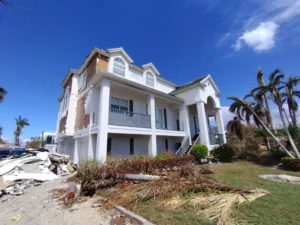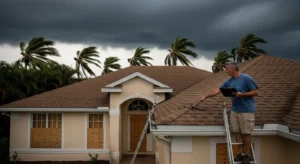


Florida property insurance market trends in 2026 show signs of stabilization after years of volatility, but homeowners still face high premiums, stricter underwriting, and increased scrutiny on claims. Understanding policy changes, market shifts, and claim risks now can help homeowners avoid coverage gaps, underpaid claims, and costly surprises during hurricane season.
Florida homeowners have spent the last several years navigating rising premiums, policy cancellations, and confusing insurance reforms. As we move into 2026, many property owners are asking the same question: Is the Florida property insurance market finally stabilizing, or are new challenges ahead?
Understanding Florida Property Insurance market trends is no longer optional. Between stronger hurricanes, increased litigation reforms, tighter underwriting, and changes in how claims are evaluated, homeowners who stay informed are far better positioned to protect their property and their financial future.
From coastal cities like Miami, Fort Lauderdale, Tampa, Naples, and Jacksonville to inland communities such as Orlando, Lakeland, and Ocala, Florida’s unique climate and exposure to extreme weather continue to shape the insurance landscape. This guide breaks down what’s changing, why it matters, and what homeowners should do in 2026 to stay protected.
The Current State of the Florida Property Insurance Market
Florida’s property insurance market has been under pressure for more than a decade. Frequent hurricanes, water damage claims, roofing fraud, and litigation costs pushed many insurers out of the state or forced dramatic premium increases.
What’s Improved
- More private insurers have re-entered the Florida market
- Rate increases have slowed for some policyholders
- Legislative reforms reduced excessive litigation
- Citizens Property Insurance has begun shedding policies
What Hasn’t Changed
- Premiums remain among the highest in the country
- Coverage restrictions are more common
- Deductibles are higher, especially for wind and hurricanes
- Claims are reviewed more aggressively
These mixed signals define the Florida Property Insurance market trends heading into 2026: more stability, but less forgiveness.
Key Florida Property Insurance Market Trends for 2026
1. Premiums Are Stabilizing, Not Dropping
While some homeowners are seeing flat renewals or modest decreases, Florida insurance rates remain high compared to national averages. Insurers are pricing risk more precisely, meaning:
- Coastal and flood-prone homes still pay more
- Older roofs face higher premiums or exclusions
- Homes without wind mitigation credits are penalized
Key insight: Stabilization does not mean affordability. Homeowners should still review policies annually.
2. Underwriting Is Stricter Than Ever
Insurers are tightening requirements before issuing or renewing policies. Common underwriting trends include:
- Roof age restrictions (often 10–15 years)
- Mandatory wind mitigation inspections
- Exclusions for certain water damage scenarios
- More limited coverage endorsements
In cities like Fort Myers, Cape Coral, and the Florida Keys, underwriting standards are especially strict due to storm history.
3. Hurricane Risk Still Drives the Market
Hurricane exposure remains the single biggest factor influencing Florida Property Insurance market trends. Even inland areas experience wind-driven rain and water intrusion during major storms.
Expect continued emphasis on:
- Hurricane deductibles
- Wind vs flood damage distinctions
- Claim causation investigations
- Policy exclusions tied to storm surge
4. Claims Are Being Scrutinized More Closely
In 2026, insurers are focusing heavily on claim validation. This includes:
- Detailed cause-of-loss investigations
- More requests for documentation
- Faster denials for technical issues
- Lower initial settlement offers
This trend makes professional claim representation more important than ever.
How Florida Property Insurance Works in Practice
Understanding how the market operates helps homeowners avoid surprises.
Step 1: Policy Issuance or Renewal
Insurers evaluate:
- Location and proximity to coast
- Roof age and condition
- Claims history
- Mitigation features
Step 2: Loss Occurs
Common losses include:
- Hurricane wind damage
- Water intrusion
- Roof leaks
- Mold following storms
Step 3: Claim Review
Insurers determine:
- Covered vs excluded damage
- Wind vs flood causation
- Deductible application
- Repair scope and cost
Step 4: Settlement or Dispute
This is where many homeowners encounter underpayment or denial.
Benefits of Understanding Market Trends as a Homeowner
Staying informed about Florida Property Insurance market trends gives homeowners real advantages:
- Better policy decisions at renewal
- Stronger claim preparation after a loss
- Fewer coverage gaps
- Improved negotiation leverage
- Reduced risk of underpaid claims
Homeowners who understand how insurers operate are less likely to accept inadequate settlements.
Common Mistakes Florida Homeowners Make
Mistake #1: Assuming Stabilization Means Safety
Even with market improvements, claim denials and underpayments remain common.
Mistake #2: Not Reviewing Policy Changes
Small endorsement changes can drastically reduce coverage.
Mistake #3: Waiting Until Hurricane Season
Policy reviews should happen before storms form.
Mistake #4: Accepting the First Claim Offer
Initial offers are often incomplete or undervalued.
Mistake #5: Not Seeking Professional Help
Public adjusters level the playing field when dealing with insurers.
How The HomeOwner’s Advocate Helps Florida Homeowners
The HomeOwner’s Advocate works exclusively for homeowners, not insurance companies. Our licensed public adjusters understand Florida Property Insurance market trends and how insurers evaluate risk and claims.
Our Services Include
- Free claim reviews and second opinions
- Full claim handling from start to settlement
- Damage documentation and valuation
- Policy interpretation
- Negotiation with insurance carriers
Whether you’re in South Florida, Central Florida, or the Panhandle, our team helps ensure your claim reflects the true scope of damage, not the insurer’s lowest estimate.
FAQ: Florida Property Insurance Market Trends
1. Are Florida property insurance rates going down in 2026?
Some homeowners may see stable or slightly reduced rates, but overall premiums remain high.
2. Why are insurers so strict with Florida claims?
High storm frequency and past litigation losses have led insurers to tighten claim review processes.
3. Does location still affect Florida property insurance pricing?
Yes. Coastal and flood-prone areas face higher premiums and deductibles.
4. What should homeowners review before hurricane season?
Roof coverage, deductibles, exclusions, flood insurance, and claims history.
5. Can a public adjuster help with underpaid claims?
Yes. Public adjusters often recover significantly higher settlements for homeowners.
Florida’s insurance market may be stabilizing, but insurers are still protecting their bottom line — not yours.
If you’ve experienced property damage, received a low insurance estimate, or want a professional review of your claim, The HomeOwner’s Advocate is here to help.
📞 Call 800-FAIR-CLAIM
🔗 Schedule a Free Claim Assessment: https://calendly.com/jeffrey-107/15min
🌐 Visit: thehomeownersadvocate.com
Do it once. Do it right. Get The HomeOwner’s Advocate on your side.